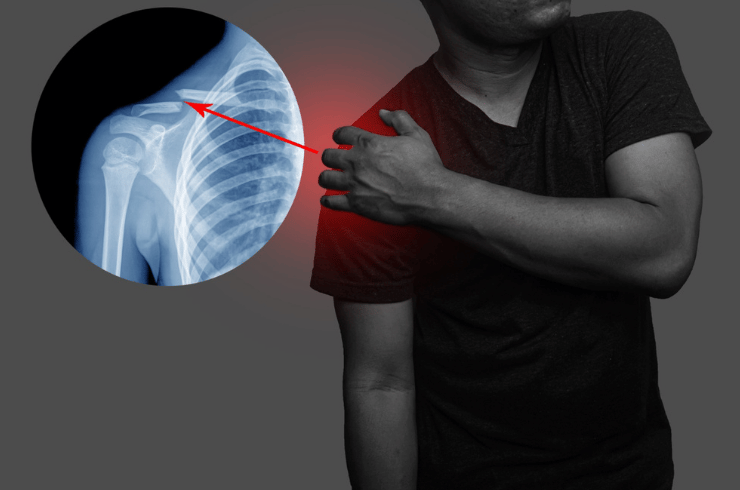
Shoulder joint replacement is a surgical procedure used to replace damaged parts of the shoulder joint with an artificial implant. It may be considered for patients with severe shoulder pain, advanced joint damage, stiffness, or significant loss of shoulder movement.
At Dr. Bhavesh Advanced Bone and Joint Clinic, Dr. Bhavesh Patidar provides personalised evaluation and treatment for patients with shoulder joint conditions. Treatment is planned after assessing the cause and severity of joint damage, symptoms, activity level, and overall health.
Shoulder joint replacement may be considered when significant joint damage causes persistent pain and limits everyday activities. Common conditions include:
The type of shoulder replacement depends on the condition of the joint and the surrounding structures. Treatment may include:
The appropriate procedure is determined after a detailed clinical and imaging assessment.
Depending on the underlying condition and individual recovery, shoulder replacement may help with:
Before surgery, the shoulder is evaluated using a clinical examination and appropriate imaging. During the procedure, damaged portions of the shoulder joint are removed and replaced with artificial components.
The surgical technique and implant selection depend on factors such as the extent of joint damage, bone condition, rotator cuff function, age, activity level, and overall health.
Recovery involves a gradual rehabilitation programme designed to restore shoulder movement and strength. Depending on the procedure, patients may initially need to protect the shoulder and then progress through guided exercises and physiotherapy.
The pace of recovery varies between individuals. Following post-operative instructions and rehabilitation recommendations is important for achieving the best possible functional recovery.
Dr. Bhavesh Patidar is an Orthopaedic Surgeon with qualifications including MBBS, MS Orthopaedics (Gold Medalist), DNB, MNAMS, FIASM, FIJR, and FIPM. His areas of practice include shoulder and knee arthroscopy, shoulder joint replacement, hip and knee replacement, sports injuries, fracture care, and minimally invasive orthopaedic surgery.
Book your consultation today and take the next step toward better health.