
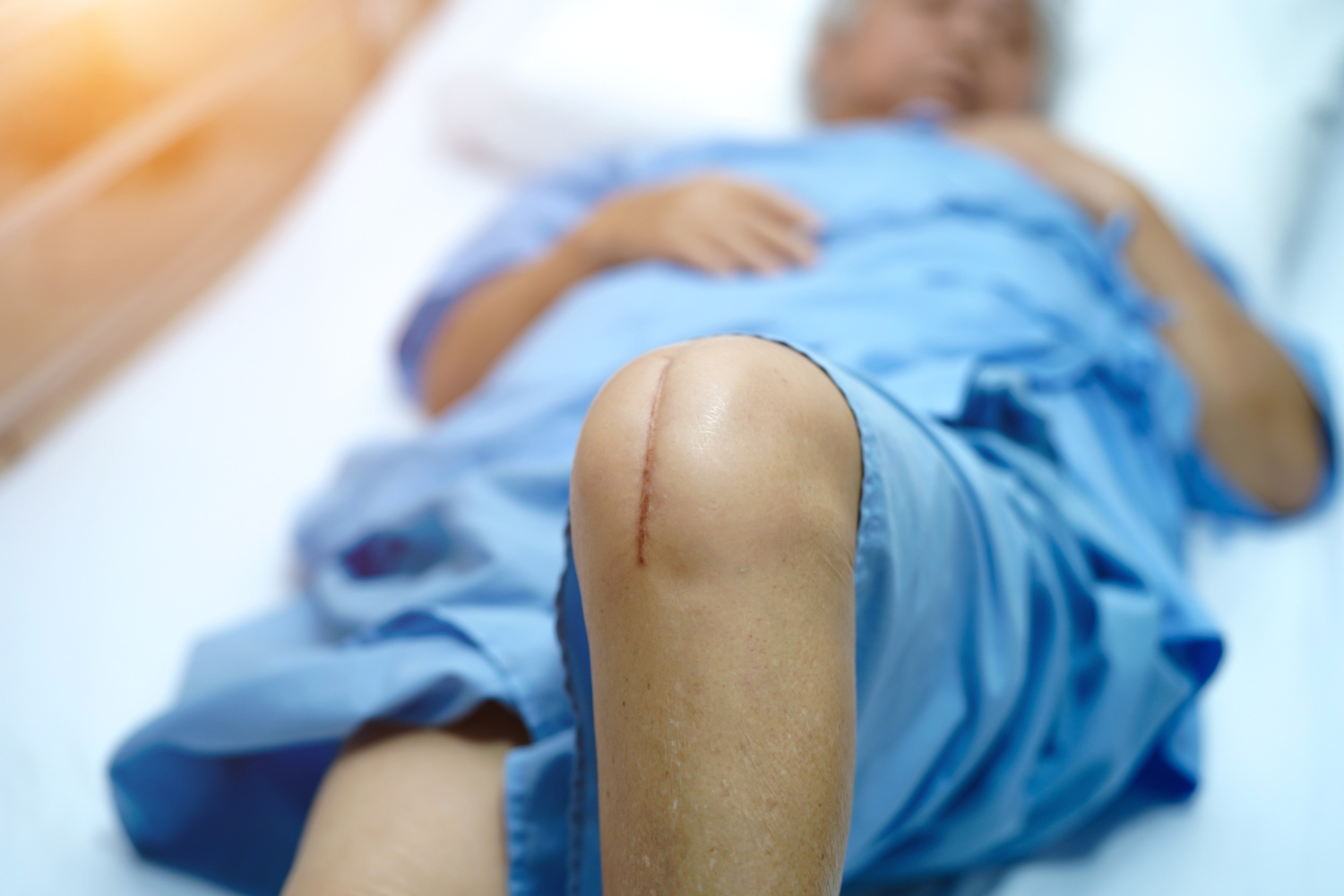
Hip and knee joint replacement is a surgical procedure used to replace a severely damaged or worn joint with an artificial joint implant. At Dr. Bhavesh Advanced Bone and Joint Clinic, Dr. Bhavesh Patidar provides personalised orthopaedic evaluation and treatment for patients with persistent hip or knee pain and reduced mobility.
Joint replacement may be considered when joint damage, arthritis, or injury causes ongoing pain and affects everyday activities. The goal of surgery is to relieve pain, improve joint function, and help patients regain greater independence in their daily lives.
Hip or knee replacement may be considered when symptoms significantly affect quality of life and other appropriate treatments have not provided sufficient relief. Common reasons include:
Hip replacement surgery involves replacing damaged portions of the hip joint with artificial components. It may be recommended for patients with advanced joint damage causing persistent pain, stiffness, and difficulty with movement.
The procedure is planned according to the patient’s joint condition, age, activity level, and overall health. Proper assessment helps determine the appropriate surgical approach and implant options.
Knee replacement surgery replaces damaged surfaces of the knee joint with artificial components. It is commonly considered for patients with advanced knee arthritis and significant pain or functional limitations.
The aim is to reduce pain, improve knee function, and support better mobility. Treatment and rehabilitation are planned according to each patient’s individual needs.
Depending on the patient’s condition and recovery, joint replacement may help with:
Before surgery, a detailed clinical evaluation and appropriate imaging are performed to assess the condition of the joint. During the procedure, the damaged joint surfaces are removed and replaced with carefully selected artificial components.
The surgical technique and implant selection depend on several factors, including the extent of joint damage, bone quality, activity level, and overall health.
Recovery after hip or knee replacement involves a structured rehabilitation programme. Patients may be encouraged to begin appropriate movement soon after surgery, followed by physiotherapy, strengthening exercises, walking practice, and gradual progression of activities.
Recovery time varies from person to person and depends on the type of surgery, general health, and adherence to rehabilitation recommendations.
Dr. Bhavesh Patidar is an Orthopaedic Surgeon with qualifications including MBBS, MS Orthopaedics (Gold Medalist), DNB, MNAMS, FIASM, FIJR, and FIPM. His areas of expertise include hip, knee, and shoulder joint replacement, arthroscopy, minimally invasive surgery, sports injuries, and fracture care.
At Dr. Bhavesh Advanced Bone and Joint Clinic, treatment is planned after understanding the patient’s symptoms, joint condition, lifestyle, and treatment goals.
Book your consultation today and take the next step toward better health.