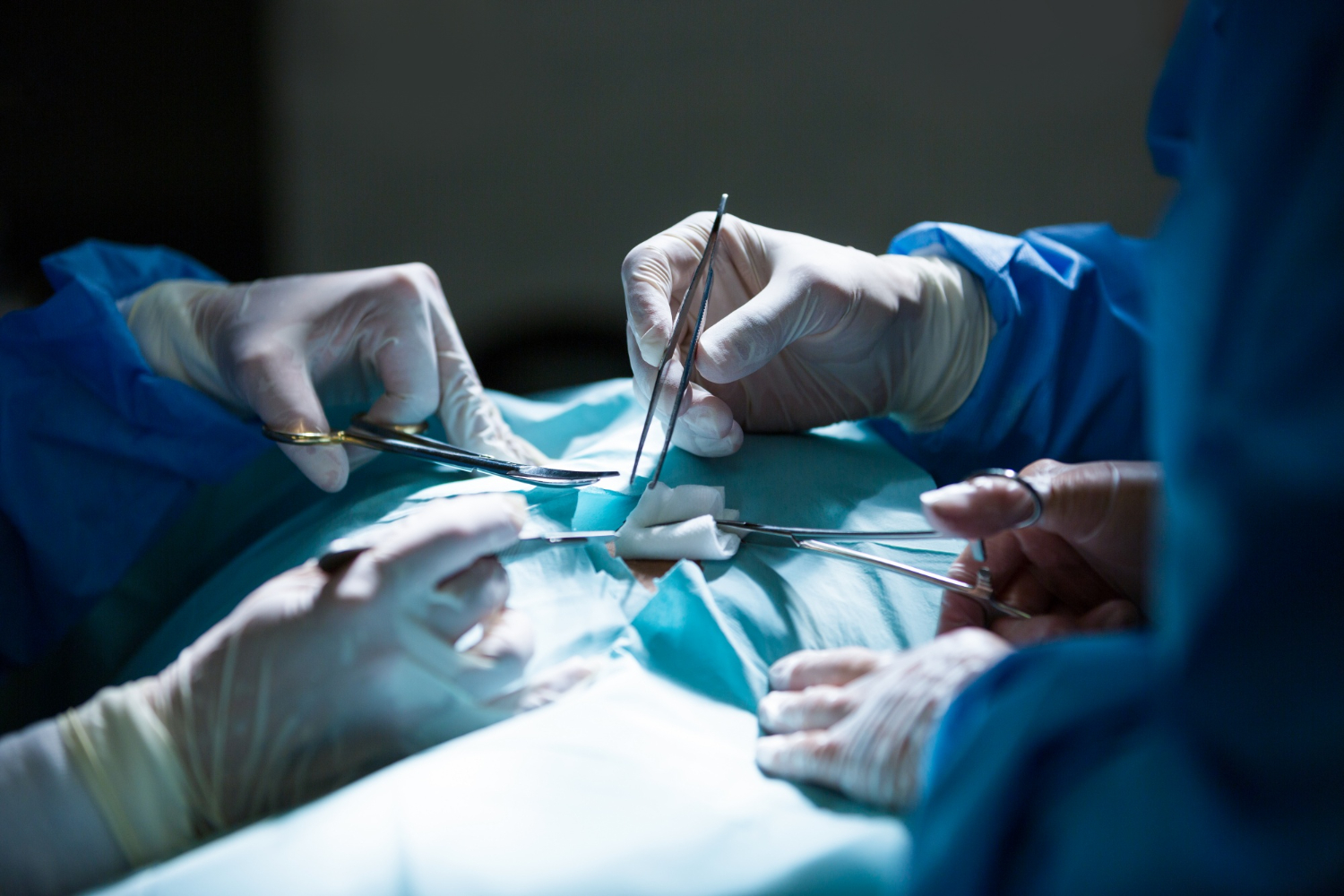
Minimally invasive orthopaedic surgery involves specialised techniques that allow surgeons to treat bone, joint, and soft tissue conditions through smaller incisions. Also known as keyhole surgery in many procedures, this approach uses advanced instruments and visualisation methods to minimise disruption to surrounding tissues.
At Dr. Bhavesh Advanced Bone and Joint Clinic, Dr. Bhavesh Patidar offers modern orthopaedic treatment approaches tailored to each patient’s condition. The focus is on accurate diagnosis, appropriate surgical techniques, and a structured recovery plan to help patients regain mobility and return to daily activities.
Minimally invasive surgery uses smaller incisions and specialised instruments to access and treat affected areas. In orthopaedics, these techniques are commonly used for selected joint, ligament, and soft tissue conditions.
Keyhole surgery, such as arthroscopy, allows the surgeon to view and treat problems inside a joint using a small camera and specialised instruments.
Depending on the diagnosis, minimally invasive procedures may be used to manage:
Shoulder and knee joint injuries
Ligament tears and sports injuries
Selected cartilage and meniscus problems
Shoulder instability
Certain joint conditions requiring arthroscopic treatment
Selected orthopaedic injuries requiring specialised surgical techniques
When clinically appropriate, minimally invasive techniques may offer several benefits:
Smaller surgical incisions
Less disruption to surrounding soft tissues
Reduced post-operative discomfort in suitable cases
Less visible scarring
Earlier mobilisation when appropriate
Support for a structured rehabilitation programme
The benefits and recovery experience vary depending on the procedure, the patient’s condition, and individual healing.
The procedure depends on the affected joint and the underlying condition. In arthroscopic surgery, a small camera is inserted through a tiny incision to provide a clear view of the joint on a monitor. Specialised instruments are then introduced through additional small incisions to treat the problem.
Other minimally invasive orthopaedic procedures may use different techniques and instruments based on the treatment required.
Recovery varies according to the type of surgery and the patient’s overall health. A personalised rehabilitation plan may include rest, wound care, physiotherapy, gradual movement, and strengthening exercises.
Following medical advice and attending scheduled follow-up appointments help monitor healing and guide the safe return to everyday activities.
Dr. Bhavesh Patidar is an Orthopaedic Surgeon with qualifications including MBBS, MS Orthopaedics (Gold Medalist), DNB, MNAMS, FIASM, FIJR, and FIPM. His areas of expertise include arthroscopy, joint replacement, minimally invasive orthopaedic surgery, sports injuries, ligament reconstruction, and fracture management.
Book your consultation today and take the next step toward better health.