
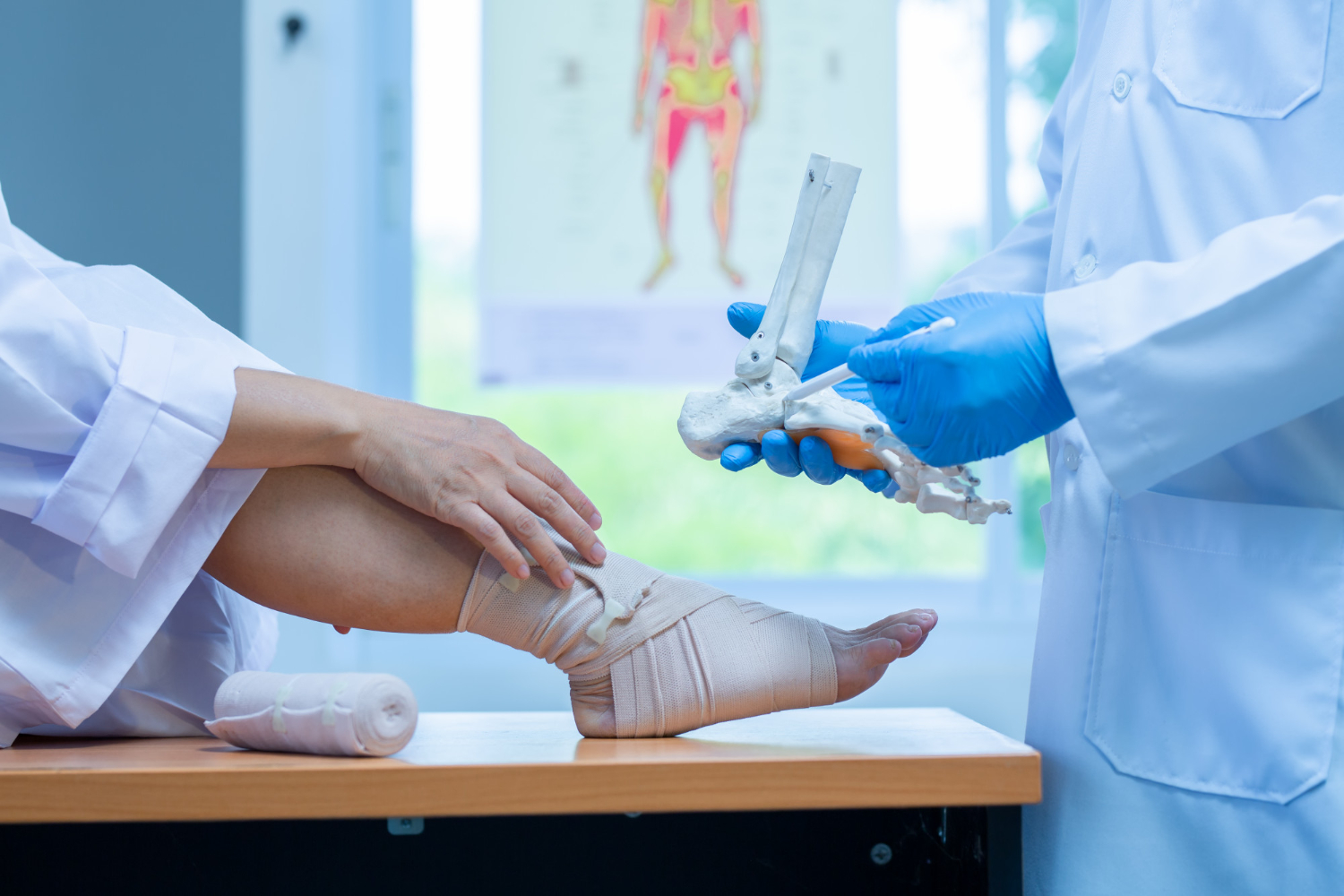
Fractures and orthopaedic trauma can result from falls, road accidents, sports injuries, or other physical impacts. These injuries may affect bones, joints, and surrounding tissues, causing pain, swelling, deformity, and difficulty moving the affected area. Timely diagnosis and appropriate treatment are essential for proper bone healing and recovery of function.
At Dr. Bhavesh Advanced Bone and Joint Clinic, Dr. Bhavesh Patidar provides comprehensive orthopaedic care for fractures and traumatic injuries. Treatment is tailored to the type of fracture, its severity, the patient’s overall health, and the functional requirements of the affected limb.
A fracture is a break or crack in a bone that occurs when the force applied exceeds the bone’s ability to withstand it. Fractures can range from small cracks to complex breaks involving multiple fragments or nearby joints.
Orthopaedic trauma care focuses on diagnosing these injuries, stabilising the affected bones, managing associated tissue damage, and supporting recovery through appropriate treatment and rehabilitation.
Different fractures require different treatment approaches. Common types include:
Closed fractures – the broken bone does not penetrate the skin.
Open fractures – the fracture is associated with a wound that communicates with the broken bone.
Displaced fractures – the bone fragments have moved out of their normal alignment.
Comminuted fractures – the bone breaks into multiple fragments.
Stress fractures – small cracks that develop due to repeated stress.
Intra-articular fractures – fractures that extend into a joint surface.
Complex fractures – severe injuries involving multiple fragments, joints, or surrounding tissues.
Fractures and traumatic injuries may occur due to:
Road traffic accidents
Slips and falls
Sports-related injuries
Direct impact or physical trauma
Workplace accidents
Repetitive stress on bones
Falls in individuals with reduced bone strength
Recognising the signs of a fracture can help ensure timely medical attention. Common symptoms include:
Sudden and severe pain
Swelling and bruising
Tenderness around the injured area
Difficulty moving the affected limb
Visible deformity
Inability to bear weight
An open wound near the suspected fracture
Suspected fractures, particularly those involving severe pain, deformity, or open wounds, require prompt medical evaluation.
Accurate diagnosis is important for determining the type of fracture and selecting the appropriate treatment. Evaluation may include:
Detailed assessment of the injury
Physical examination of the affected area
X-rays to identify the location and alignment of the fracture
CT scans for complex or joint-related fractures
Assessment of nearby nerves, blood vessels, and soft tissues
Treatment depends on the location, severity, and stability of the fracture. Available approaches may include:
Casting or splinting to immobilise stable fractures
Closed reduction to restore bone alignment without surgery
Internal fixation using plates, screws, or rods
External fixation for selected complex injuries
Surgical treatment for displaced or unstable fractures
Rehabilitation and physiotherapy to restore movement and strength
The treatment plan is individualised to support proper bone healing and minimise complications.
Some fractures require surgery to restore normal bone alignment and stability. Depending on the injury, the surgeon may use plates, screws, intramedullary nails, or external fixation devices to hold the bone fragments in position during healing.
In complex injuries, surgical planning also considers the condition of the surrounding soft tissues, blood supply, and nearby joints.
Fracture recovery varies depending on the type of injury, treatment method, age, and overall health. A structured rehabilitation programme may include:
Appropriate immobilisation and wound care
Regular follow-up imaging
Gradual restoration of joint movement
Muscle strengthening exercises
Weight-bearing progression as advised
Physiotherapy to improve balance and function
Following medical instructions and attending scheduled reviews are important for monitoring bone healing and identifying potential complications.
Book your consultation today and take the next step toward better health.