
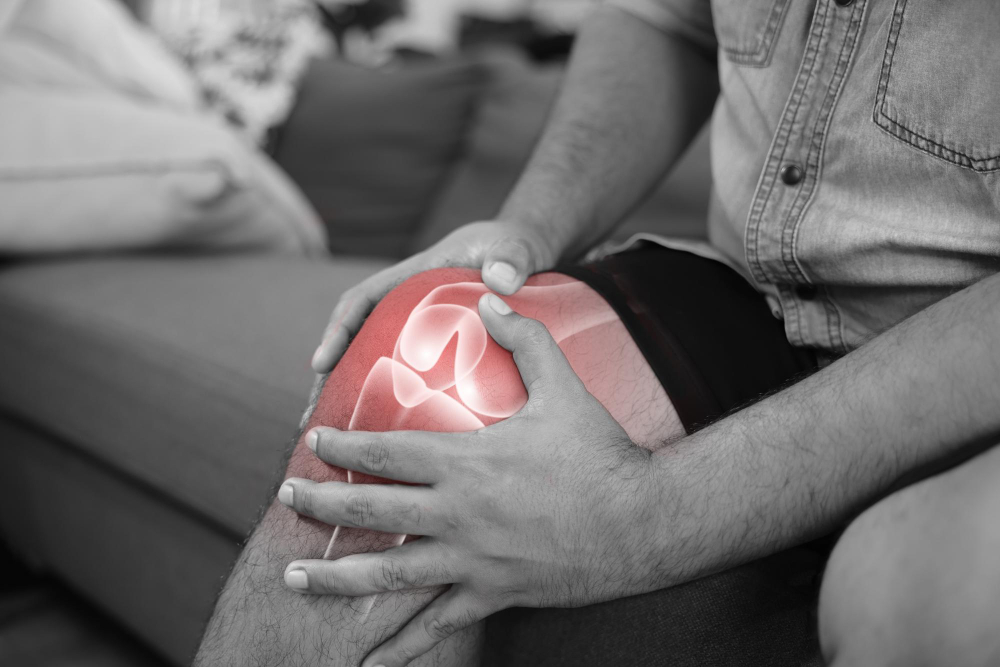
What is a Meniscus Tear?
A meniscus tear is a common knee injury. The meniscus is a piece of cartilage in your knee. It acts like a cushion between your thigh bone and shin bone. When this cartilage tears, it can cause pain and swelling. Many people experience a meniscus tear during sports or daily activities. Because the meniscus helps your knee move smoothly, a tear can make movement harder. Meniscus tears can happen to anyone, but they are more common in athletes and older adults.
Common Symptoms of a Meniscus Tear
Recognizing meniscus tear symptoms early can help you get the right care. Often, symptoms appear right after the injury. However, sometimes they develop slowly. For example, you might notice:
Because these symptoms can also happen with other knee problems, it is important to talk to a doctor for a proper diagnosis.
Causes and Risk Factors
Meniscus tears can happen in several ways. Most often, they occur during activities that involve twisting or sudden stops. For instance, playing soccer or basketball increases the risk. However, simple movements like standing up quickly can also cause a tear, especially in older adults. Age is a big risk factor because the meniscus gets weaker over time. Other risk factors include:
Because some risk factors cannot be changed, knowing them can help you take steps to protect your knees.
How Meniscus Tears are Diagnosed
Doctors use several methods to diagnose a meniscus tear. First, they will ask about your symptoms and how the injury happened. Next, they will examine your knee for swelling, tenderness, and movement. Often, doctors use special tests to check for pain during certain movements. In many cases, imaging tests help confirm the diagnosis. For example:
Because early diagnosis can improve recovery, see a doctor if you have knee pain after an injury.
Treatment Options for Meniscus Tears
Meniscus tear treatment depends on the size and location of the tear. Your age and activity level also matter. Some small tears heal on their own with rest. However, larger or more severe tears may need more care. Common treatment options include:
Because every injury is different, your doctor will help choose the best treatment for you.
Recovery Timeline and Tips
Meniscus tear recovery can take a few weeks to several months. The timeline depends on the type of tear and treatment. For example, small tears may heal in 4 to 6 weeks with rest and therapy. However, surgery may require 3 to 6 months for full recovery. To help your knee heal, try these tips:
Because recovery is different for everyone, check with your doctor before returning to sports or heavy work.
Preventing Meniscus Injuries
While not all meniscus tears can be prevented, you can lower your risk. For instance, keeping your leg muscles strong supports your knees. Here are some ways to protect your knees:
Because prevention is key, these steps can help keep your knees healthy and strong.
Conclusion
If you have knee pain or think you have a meniscus tear, Dr. Bhavesh can help. Book a consultation today to get expert advice and a treatment plan made for you.