
What Is the PCL and Why Is It Important?
The PCL, or posterior cruciate ligament, sits behind your knee. It connects your thigh bone to your shin bone. Because it helps keep your knee stable, it is very important. When you walk, run, or jump, the PCL keeps your knee from moving too far backward. In fact, it works together with other knee ligaments to support your leg. If you have a PCL tear, your knee may feel weak or loose. This type of knee ligament injury can affect your daily life.
Common Causes of a PCL Tear
PCL tears often happen during sports or accidents. For example, falling hard on a bent knee can injure the ligament. Sometimes, car crashes cause a PCL tear if your knee hits the dashboard. In addition, twisting your knee or landing awkwardly can also lead to a posterior cruciate ligament injury. Here are some common causes:
Because these injuries can happen quickly, it is important to know the risks. Athletes and people in high-impact jobs are more likely to get a PCL tear.
Recognizing Symptoms of a PCL Tear
After a PCL tear, you may notice pain behind your knee. Sometimes, swelling appears within hours. However, some people feel only mild discomfort at first. Even so, your knee might feel unstable or give out when you walk. Other signs include:
Because these symptoms can be mild, many people do not realize they have a knee ligament injury right away. If you notice any of these signs, you should see a doctor.
How Doctors Diagnose a PCL Tear
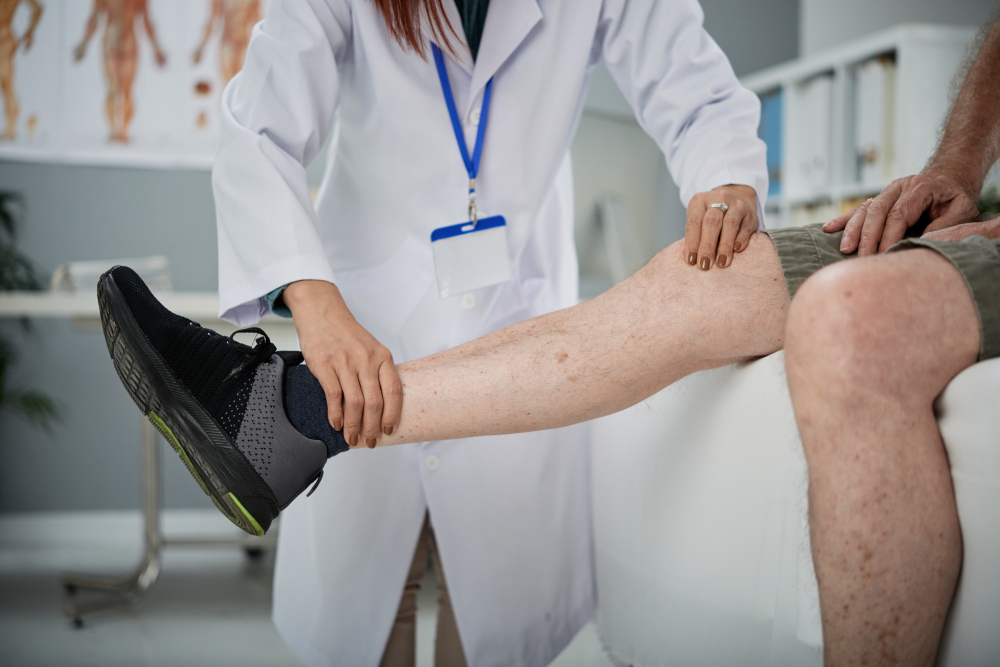
Doctors use several steps to diagnose a PCL tear. First, they ask about your injury and symptoms. Next, they check your knee for swelling, pain, or looseness. Sometimes, doctors use special tests to move your knee and check for stability. In many cases, imaging tests help confirm the diagnosis. For example, an MRI scan can show a posterior cruciate ligament injury clearly. X-rays may also help rule out broken bones. Because early diagnosis is important, seeing a doctor soon can help prevent more knee pain or damage.
Treatment Options for PCL Tears
Treatment for a PCL tear depends on how severe the injury is. In mild cases, rest and physical therapy may be enough. For example, you may need to wear a knee brace to keep the joint stable. In addition, ice and pain medicine can help reduce swelling and discomfort. However, some severe tears need surgery to repair the ligament. Your doctor will help you choose the best treatment for your knee ligament injury. Common treatments include:
Because every injury is different, your recovery plan may vary.
Recovery and Lifestyle Tips After a PCL Tear
After a PCL tear, recovery can take weeks or months. However, following your doctor’s advice can help speed healing. For example, doing physical therapy exercises helps your knee get stronger. In addition, using a knee brace can protect the joint as it heals. Here are some helpful tips:
Because recovery is different for everyone, talk to your doctor before returning to sports or heavy work. If you live in a busy city or play sports often, take extra care during recovery.
Preventing PCL Injuries
While not all PCL tears can be prevented, you can lower your risk with some simple steps. For instance, warming up before sports helps prepare your muscles and joints. In addition, wearing proper shoes and safety gear protects your knees. Here are more ways to help prevent a knee ligament injury:
Because knee pain and injuries can affect anyone, taking these steps can help keep your knees healthy and strong.