
What Are Complex Fractures?
Complex fractures are broken bones that are not simple to treat. Instead of a clean break, these injuries often involve several bone pieces or damage to nearby tissues. Because of this, they can be harder to heal. For example, a bone may break into many fragments or stick out through the skin. In many cases, complex fractures need more than a cast or splint. They may require advanced care, such as surgical fixation, to help the bone heal correctly.
Common Causes of Complex Fractures
Complex fractures often happen after strong impacts. For instance, car accidents or falls from heights can cause these injuries. Sometimes, sports injuries or direct blows to the body also lead to complex fractures. In addition, weaker bones from conditions like osteoporosis can break more easily. Here are some common causes:
Symptoms and How to Recognize Complex Fractures
Recognizing complex fractures early is important for proper treatment. Usually, these injuries cause more pain and swelling than simple breaks. Sometimes, you may see the bone poking through the skin. Other times, the limb may look twisted or out of place. In addition, you might notice:
Because complex fractures can damage nerves and blood vessels, getting help quickly is key.
Diagnosis: How Doctors Identify Complex Fractures
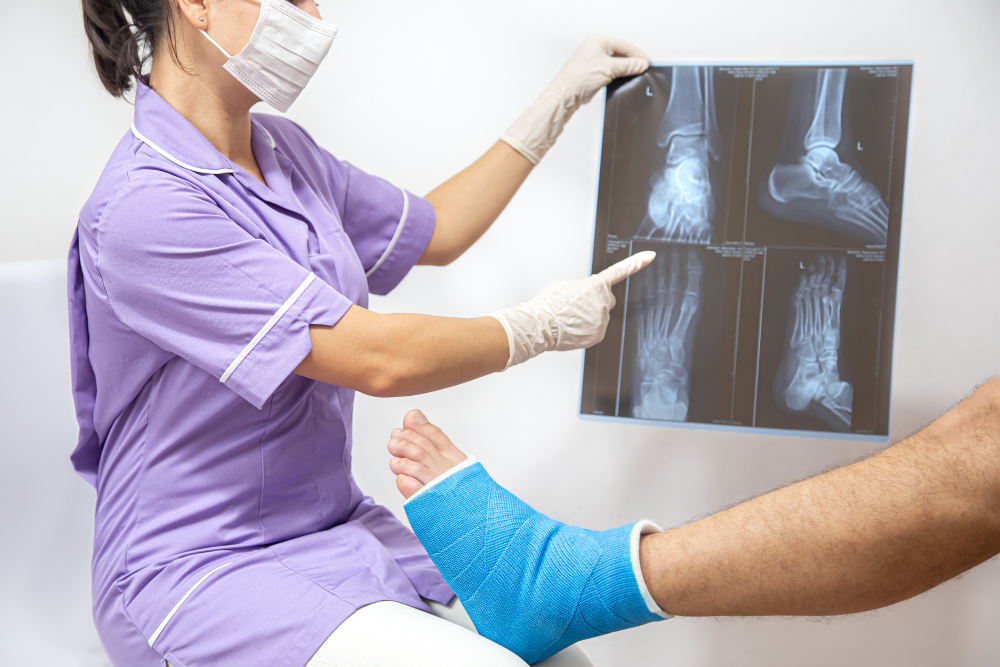
Doctors use several steps to diagnose complex fractures. First, they ask about how the injury happened. Next, they check the injured area for swelling, pain, or changes in shape. After that, doctors use imaging tests to see the bone clearly. For example, X-rays show where and how the bone is broken. Sometimes, they use CT scans or MRI scans for a closer look. These tests help doctors plan the best treatment, especially if surgery is needed.
Why Some Fractures Need Specialised Surgical Fixation
Some fractures need more than a cast because the bone pieces are not lined up. In these cases, specialised surgical fixation is needed to hold the bone in place. For instance, if the bone is shattered or sticks out of the skin, surgery can help prevent infection and speed up healing. Additionally, surgical fixation helps restore normal movement and strength. Without surgery, the bone may heal in the wrong position, causing long-term problems. Therefore, doctors often choose surgery for complex fractures to give the best chance for full recovery.
Surgical Fixation Techniques for Complex Fractures
There are several ways doctors fix complex fractures during surgery. The method depends on the type and location of the break. Common surgical fixation techniques include:
Each technique has its own benefits. For example, rods are often used for long bones like the thigh, while plates work well for flat bones. Doctors choose the best method to help the bone heal safely and quickly.
Recovery and Rehabilitation After Surgery
After surgical fixation, recovery is a key part of healing. At first, you may need to rest and keep weight off the injured area. Soon after, doctors often recommend gentle movements to prevent stiffness. Physical therapy helps you regain strength and movement. In many cases, you will need to follow a plan for several weeks or months. Eating healthy foods and not smoking can also help your bone heal faster. If you have questions about your recovery, always ask your healthcare team for advice.
Tips for Prevention and Bone Health
While not all fractures can be prevented, you can lower your risk with healthy habits. For example, keeping your bones strong makes them less likely to break. Here are some tips:
By taking care of your bones, you can help prevent complex fractures and stay healthy.
Conclusion
If you have a complex fracture or need advice about bone injuries, Dr. Bhavesh is here to help. Book a consultation today to discuss your treatment options and start your recovery journey.